Artist- Vocals
Paul Di'Anno
 United Kingdom
19582024
Paul Andrews
Silvio Tanaka - CC
United Kingdom19582024
Paul Andrews
Silvio Tanaka - CC
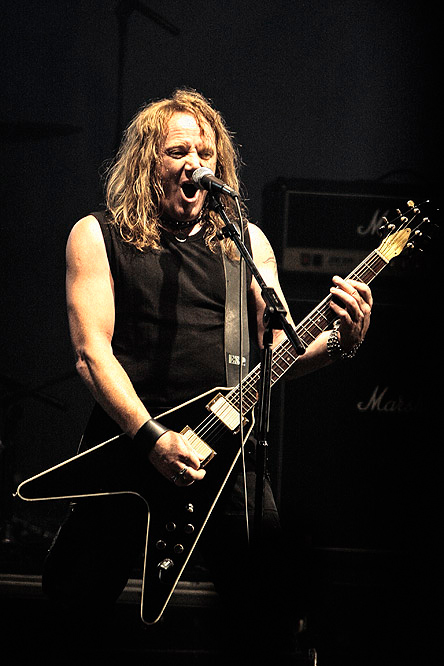
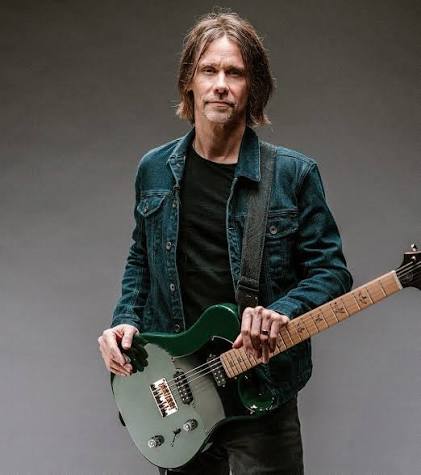
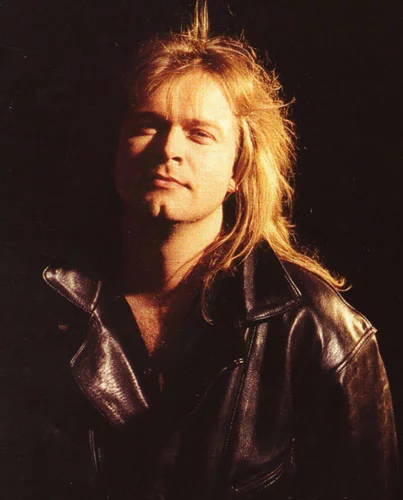
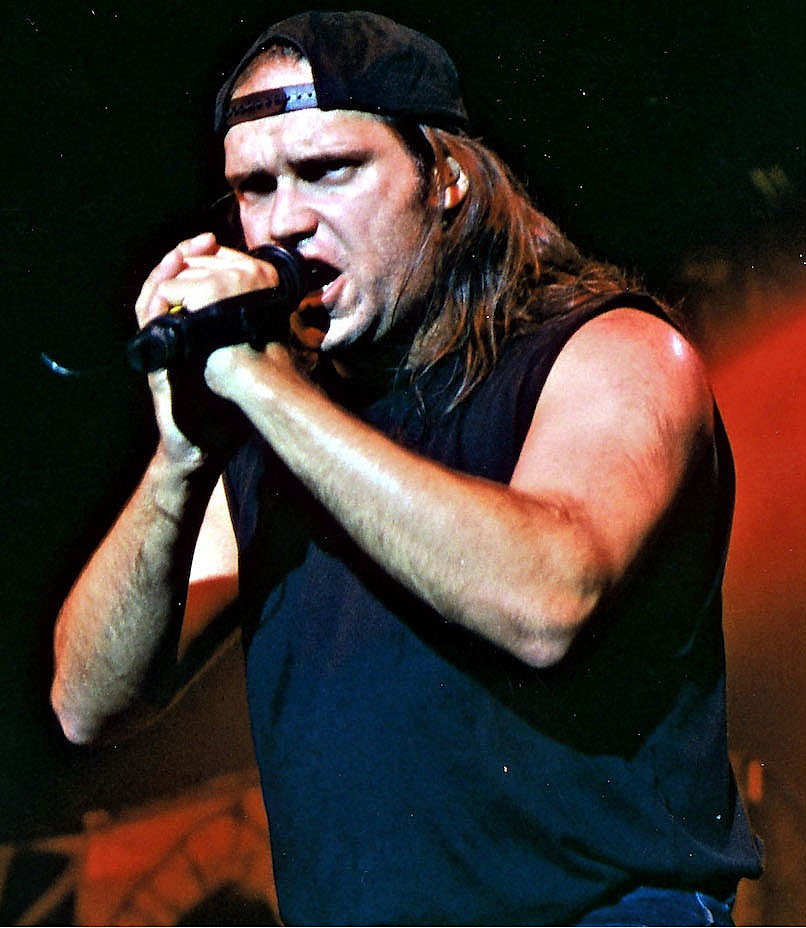
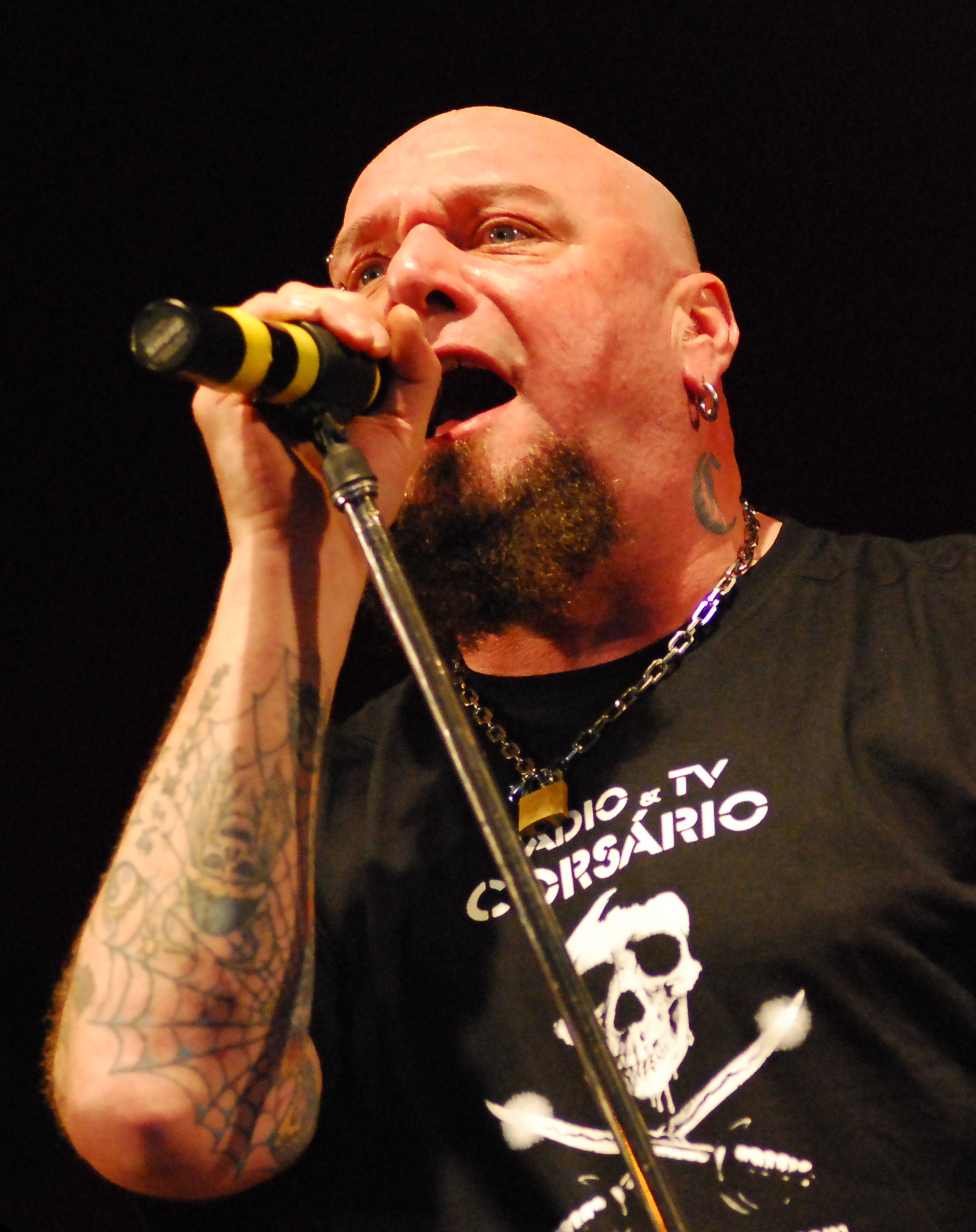
Paul Di'Anno was not the first singer to pass through Iron Maiden, but he was the first to leave his voice recorded in the band's history. When he joined the group in 1978, Steve Harris was not yet running a global institution. With his hoarse, aggressive vocals, loaded with the attitude of the London streets, Di'Anno gave the early Maiden an identity that no academic technique could have manufactured. He did not sound like a mythological hero. He sounded like someone who might start a fight at the back of the pub before the second chorus. On the 1980 album *Iron Maiden*, his delivery turned "Prowler", "Remember Tomorrow", "Running Free", "Phantom of the Opera" and the title track into the statements of a band still raw, dangerous and hungry. The music already carried Harris's galloping lines, the harmonised guitars and the progressive structures that would become the group's trademarks, but Di'Anno added a punk tension that would never be repeated in the same way. He did not possess Bruce Dickinson's operatic range. He did not need it. His power came from personality, from phrasing, and from the sense that every word was spoken through clenched teeth. *Killers*, released in 1981, deepened that atmosphere. Darker, sharper and more urban, the record found in Di'Anno the ideal interpreter for tracks like "Wrathchild", "Murders in the Rue Morgue", "Purgatory" and "Killers" itself. His voice could sound threatening in one moment and surprisingly vulnerable in the next, a quality plain to hear in songs like "Remember Tomorrow". Where Bruce Dickinson would take Iron Maiden to the heavens, Di'Anno seemed to be singing from the alleys, basements and wet pavements where the band had learned to survive. The combination, however, was unsustainable. Problems with alcohol and drugs, unpredictable behaviour and conflicts over the direction and discipline demanded by the group's growth led to his dismissal in 1981. Iron Maiden needed a singer able to face ever larger tours and a brutal schedule. Di'Anno, at that moment, could not govern even his own daily routine. His departure made room for Bruce Dickinson and for Maiden's transformation into a worldwide phenomenon. It also condemned Paul to spend the rest of his career being compared to what came after him. After Maiden, Di'Anno formed or joined projects such as Di'Anno, Gogmagog, Battlezone, Killers and Praying Mantis, besides releasing solo records and collaborating several times with Dennis Stratton. There were good moments, especially with Battlezone and Killers, but none of those bands managed to pull his career out of the shadow of the two albums he had recorded before turning 23. There was no shortage of voice or authenticity. What was missing was stability, direction and a structure capable of turning talent into continuity. The chaos that made Paul fascinating on stage also sabotaged almost everything around him. Di'Anno kept a particularly intense relationship with the South American public, especially in Brazil, where he toured endlessly and found a devotion he often no longer received in his own country. In recent decades his career became a physical battle. Serious health problems and limited mobility eventually forced him to sing from a wheelchair. Even so, he kept performing. There was no glamour in it, only obstinacy. The stage remained his principal means of survival, artistic and personal. Paul Di'Anno died on 21 October 2024, aged 66. Paying tribute to their former singer, Iron Maiden themselves acknowledged that his contribution had been immense and essential in setting the band on the path it would follow in the decades ahead. The statement was correct, but perhaps even modest. Without Di'Anno, Maiden's first records might still have been technically brilliant. They would hardly have been so dangerous. His legacy does not lie in a perfect career, because it was very far from that. It lies in two albums that captured a moment impossible to recreate, when British heavy metal still smelled of sweat, spilled beer and overheating equipment. Paul Di'Anno was not the voice of Iron Maiden's grandest phase. He was the voice of the moment when the band still had to fight to exist. And no other singer could have told that part of the story with the same fury.
Metalicks is a community-run informational and cultural portal. The information on this page — texts, images, logos, cover art and other materials — is credited to their respective authors, artists, bands, labels and rights holders. Metalicks does not claim ownership over any of the works portrayed here, and all rights remain with their rightful owners. Content is gathered from public sources and community contributions; any inaccuracies can be corrected using the button below. Rights holders who wish to request a correction or removal of any content may do so at any time.