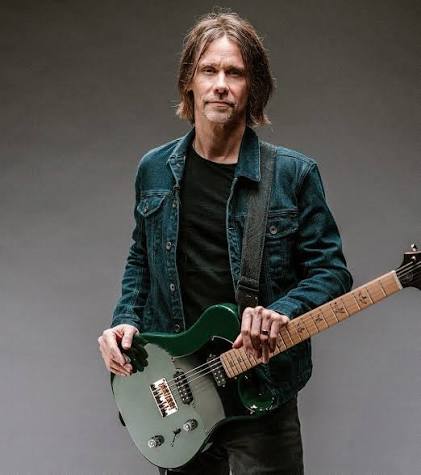
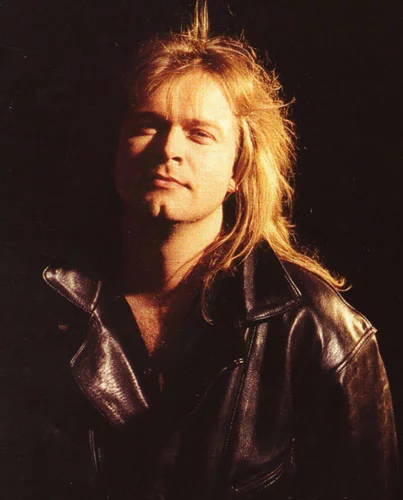
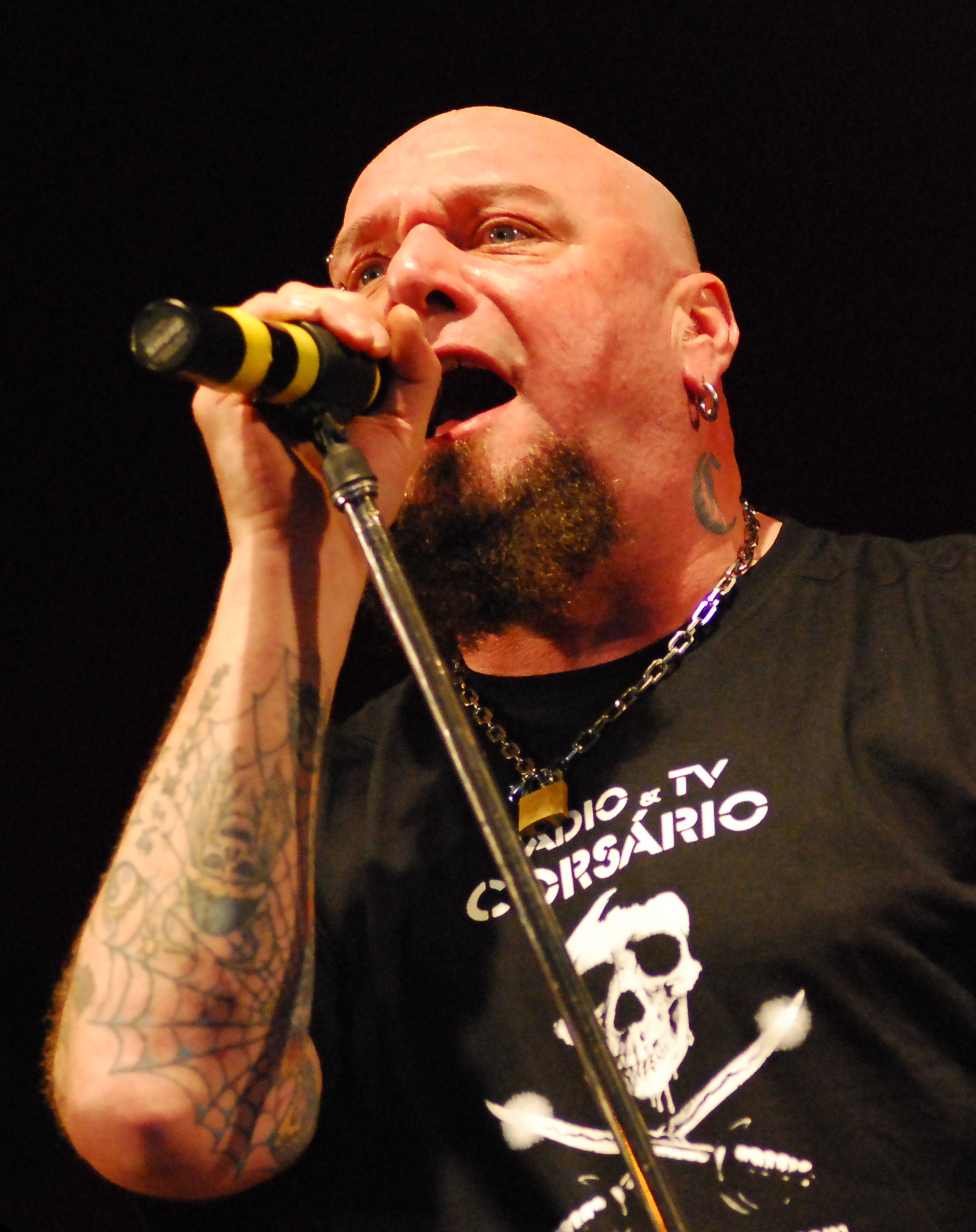
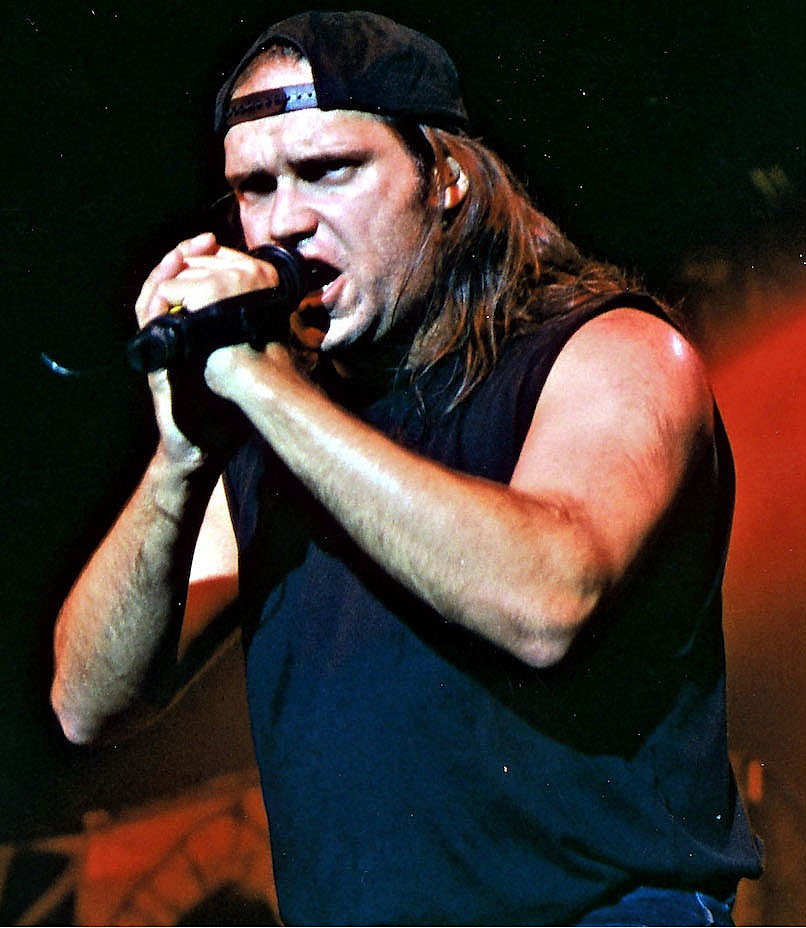
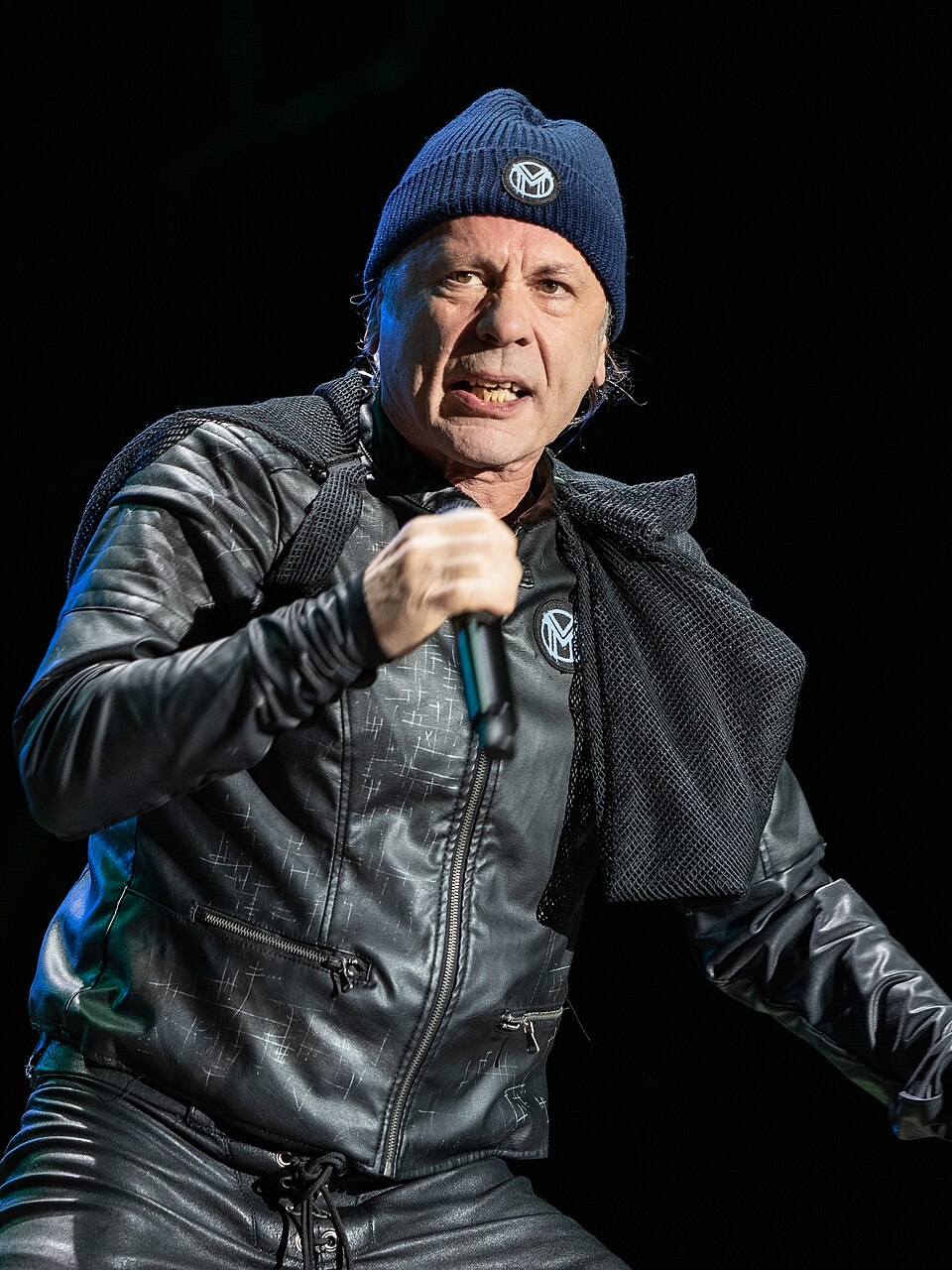
Mikael Åkerfeldt — born in Stockholm on 17 April 1974 — is Opeth's singer, guitarist and principal composer, and one of the few extreme metal musicians to build a body of work the genre cannot contain. His initial contribution was to join two territories that did not speak to each other. The Opeth of the 1990s combines death metal — guttural vocals, tremolo riffs, sombre atmosphere — with 1970s progressive rock, Scandinavian folk and acoustic passages of open harmony. The tracks run ten, twelve minutes, alternate registers within the same piece and develop material instead of repeating it. Blackwater Park (2001) is the point at which that formula reaches balance. After that, Åkerfeldt did something almost no musician in that world risks: he abandoned the element that defined the band. Damnation (2003) has not a single distorted guitar nor one guttural vocal. From Heritage (2011) the growls vanished for over a decade, and Opeth began operating as a progressive rock band — a decision that deeply divided the audience and that he never justified as strategy, only as a consequence of what he wanted to write. On The Last Will and Testament (2024) the growls returned. He is also known as a record collector of encyclopaedic knowledge of obscure 1970s progressive rock — a repertoire that feeds directly into what he composes.
Metalicks is a community-run informational and cultural portal. The information on this page — texts, images, logos, cover art and other materials — is credited to their respective authors, artists, bands, labels and rights holders. Metalicks does not claim ownership over any of the works portrayed here, and all rights remain with their rightful owners. Content is gathered from public sources and community contributions; any inaccuracies can be corrected using the button below. Rights holders who wish to request a correction or removal of any content may do so at any time.