Band United StatesInfluential
Dream Theater
United StatesProgressive Metal · since 1985
United StatesProgressive Metal · since 1985
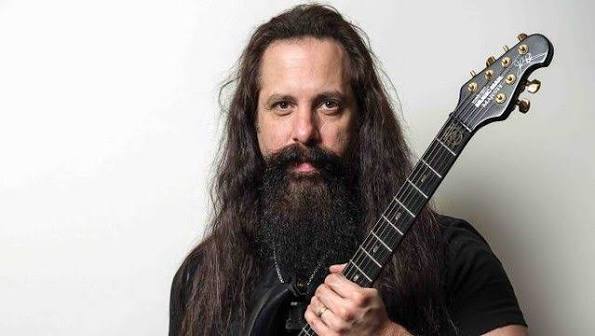
Dream Theater are an American progressive metal band formed in 1985 in Boston, where guitarist John Petrucci, bassist John Myung and drummer Mike Portnoy — three friends from Long Island, New York — met as students at the Berklee College of Music. Calling themselves Majesty, they soon dropped out to pursue the band full time, recruiting keyboardist Kevin Moore and, after a legal challenge over the name from another act, rechristening themselves Dream Theater in 1987. Their 1989 debut, When Dream and Day Unite, featuring vocalist Charlie Dominici, showcased extraordinary instrumental fluency but sold modestly, and the group parted ways with both Dominici and their label. Everything changed with the arrival of Canadian singer James LaBrie in early 1991. His soaring, theatrical tenor completed the lineup that recorded Images and Words (1992), an album that became the genre's watershed. Driven by the improbable MTV and radio success of "Pull Me Under", alongside the ballad "Another Day" and the epic "Metropolis — Part I", it went gold in the United States and platinum in Japan, and effectively created the template for modern progressive metal: Rush's compositional ambition and Yes's virtuosity welded to the weight of Metallica and Iron Maiden. The darker, grungier Awake followed in 1994, after which Moore left; Derek Sherinian occupied the keyboard chair for the more commercially pressured Falling into Infinity (1997). The band's landmark came in 1999. With Jordan Rudess — a conservatory-trained keyboard prodigy who had played with Petrucci and Portnoy in Liquid Tension Experiment — now aboard, Dream Theater released Metropolis Pt. 2: Scenes from a Memory, a full concept album about reincarnation, murder and hypnotic regression. Widely regarded as their masterpiece and one of the finest progressive metal records ever made, it restored their creative independence and cemented the classic lineup that would endure for a decade across Six Degrees of Inner Turbulence (2002), the punishingly heavy Train of Thought (2003), Octavarium (2005), Systematic Chaos (2007) and Black Clouds & Silver Linings (2009). In September 2010, Mike Portnoy — the band's co-founder, de facto business leader and creative engine — abruptly left, citing exhaustion and a desire for a break. His departure was traumatic for the fanbase and was documented in the audition film that produced his replacement, technical drummer Mike Mangini. The Mangini era yielded five albums: A Dramatic Turn of Events (2011), the self-titled Dream Theater (2013), the sprawling two-disc rock opera The Astonishing (2016), the leaner and heavier Distance over Time (2019) and A View from the Top of the World (2021). The last of these finally delivered long-overdue institutional recognition when "The Alien" won the Grammy Award for Best Metal Performance in 2022, after several previous nominations. In October 2023, in one of metal's most celebrated reconciliations, Portnoy returned, restoring the Scenes from a Memory lineup after thirteen years apart. Their sixteenth studio album, Parasomnia — a concept record built around sleep disorders such as night terrors, sleepwalking and sleep paralysis — arrived in February 2025 to strong reviews and coincided with the band's fortieth-anniversary world tour. Four decades on, Dream Theater remain the defining progressive metal band: the reference point by which the entire genre, and generations of technically minded musicians, continue to measure themselves.
Metalicks is a community-run informational and cultural portal. The information on this page — texts, images, logos, cover art and other materials — is credited to their respective authors, artists, bands, labels and rights holders. Metalicks does not claim ownership over any of the works portrayed here, and all rights remain with their rightful owners. Content is gathered from public sources and community contributions; any inaccuracies can be corrected using the button below. Rights holders who wish to request a correction or removal of any content may do so at any time.