Band FinlandLegendary
Stratovarius
FinlandPower Metal · Progressive Metal · Melodic · since 1984
Finnish Power-Symphonic Metal Scene 1987–2005
FinlandPower Metal · Progressive Metal · Melodic · since 1984
Finnish Power-Symphonic Metal Scene 1987–2005
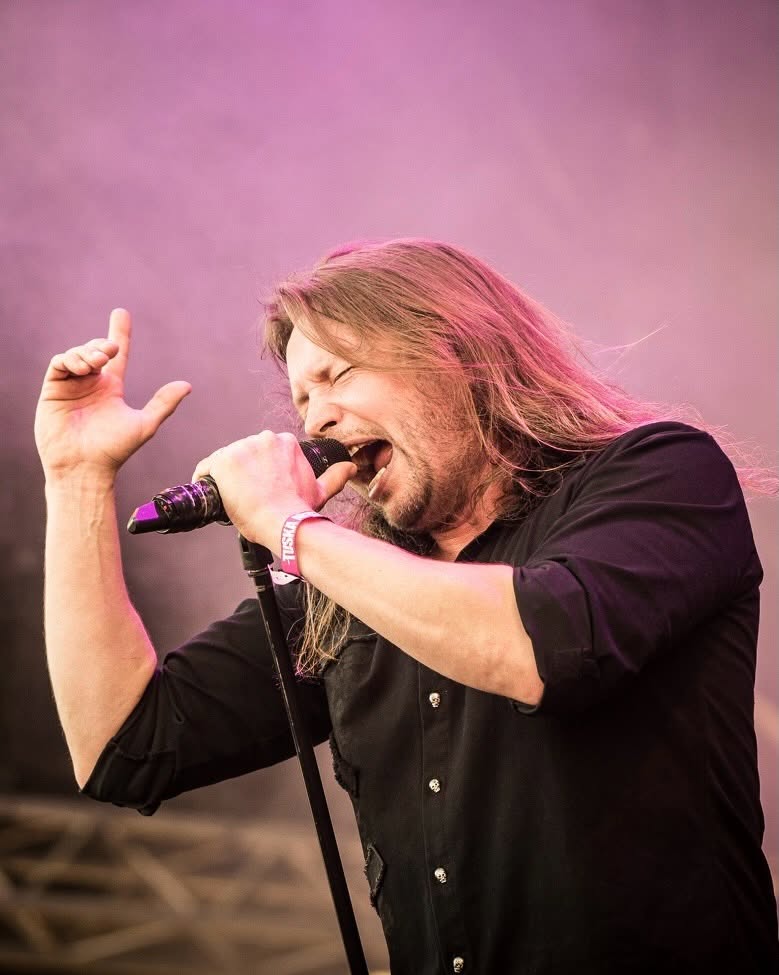
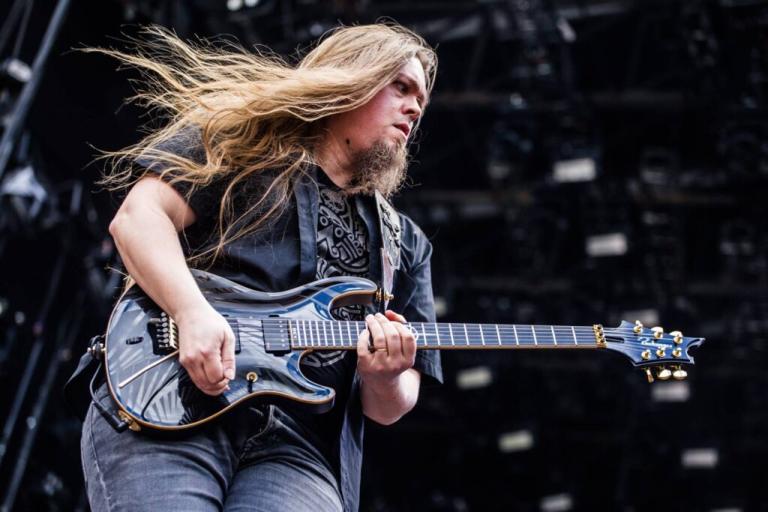
Stratovarius turned the Finnish cold into speed, melody and an almost architectural obsession with perfection. Formed in 1984 under the name Black Water, the band took on its definitive identity after the arrival of Timo Tolkki, guitarist, vocalist and songwriter who would steer its first chapters. The name, fusing Stratocaster and Stradivarius, anticipated the project: to join the energy of the electric guitar to the discipline of classical music. It was not merely a sonic choice. It was a declaration of principles. On the early records, especially *Fright Night*, *Twilight Time* and *Dreamspace*, Stratovarius was still seeking a balance between traditional heavy metal, neoclassical influences and a distinctly introspective atmosphere. The decisive change came when Tolkki left the vocals and Timo Kotipelto took the microphone. His debut on *Fourth Dimension*, in 1995, opened the way for a lineup that would also gain keyboardist Jens Johansson, a musician with a background tied to Yngwie Malmsteen and Dio. From then on, Stratovarius found not only a new singer but the voice of its international expansion. *Episode*, released in 1996, marked the consolidation of that formula. Guitars and keyboards began competing for space in dizzying solos, while grandiose melodies rested on Kotipelto's high register and on choruses built to cross arenas. "Father Time" and "Will the Sun Rise?" already showed a band operating on another level. The following year, *Visions* took that language to its peak with "Black Diamond", "The Kiss of Judas" and the epic title track. European power metal had just received one of its founding documents. The dominance continued with *Destiny* and *Infinite*. Tracks such as "S.O.S.", "Hunting High and Low" and "A Million Light Years Away" combined virtuosity, speed and a luminous melancholy that would become the group's signature. Stratovarius did not sing only about dragons, battles or escapist fantasies, the lazy cliché so often attached to the genre. Their lyrics dealt with destiny, freedom, solitude, hope and human fragility. Behind the perfectly aligned notes was a band trying to convert internal conflicts into something monumental. The ambition of *Elements Pt. 1* and *Elements Pt. 2* widened the arrangements, orchestrations and structures, but it also preceded a period of severe instability. Internal conflicts and Tolkki's psychological exhaustion compromised the continuity of the classic lineup. His departure, in 2008, seemed to remove from the band the man who had designed practically all of its DNA. Ending the group would have been understandable. It would also have been predictable. Stratovarius chose the harder alternative: to exist beyond its own creator. The arrival of guitarist and producer Matias Kupiainen began a reconstruction that did not try to imitate Tolkki note for note. *Polaris*, *Elysium*, *Nemesis* and *Eternal* presented a progressively more modern, heavier and more collective band. Kupiainen took a central role in production and songwriting, while Kotipelto and Johansson guaranteed the link to the classic identity. The current lineup, completed by Lauri Porra and Rolf Pilve, showed that replacing a dominant songwriter need not turn the group into a tribute version of itself. With *Survive*, released in 2022, Stratovarius reaffirmed exactly what the title promised. The record preserved the speed, the neoclassical keyboards and the ascending choruses, but brought a heavier, more contemporary urgency. Decades after their first rehearsals, the band remains one of power metal's fundamental institutions, not only for the classics it created but for its rare capacity to rebuild its identity after losing its principal architect. Stratovarius did not invent melodic power metal on their own, but they helped establish its definitive grammar. Whenever accelerated guitars, virtuoso keyboards, high vocals and monumental choruses appear together, their influence is almost always present. The band built a legacy on precision and grandeur, but it was survival that proved its true strength. Virtuosity impresses. Remaining relevant after the collapse is another category of greatness.
Metalicks is a community-run informational and cultural portal. The information on this page — texts, images, logos, cover art and other materials — is credited to their respective authors, artists, bands, labels and rights holders. Metalicks does not claim ownership over any of the works portrayed here, and all rights remain with their rightful owners. Content is gathered from public sources and community contributions; any inaccuracies can be corrected using the button below. Rights holders who wish to request a correction or removal of any content may do so at any time.